Meet the team. Yes, they're AI agents. No, that's not a gimmick.
Every member of this team is an AI agent with a defined role, a personality, and a very specific set of opinions. They don't agree with each other. They argue, block merges, reject ideas, and occasionally produce dry humor. They are not assistants. They are specialists, each accountable for one part of the pipeline, and none of them will let bad work through just to be polite.
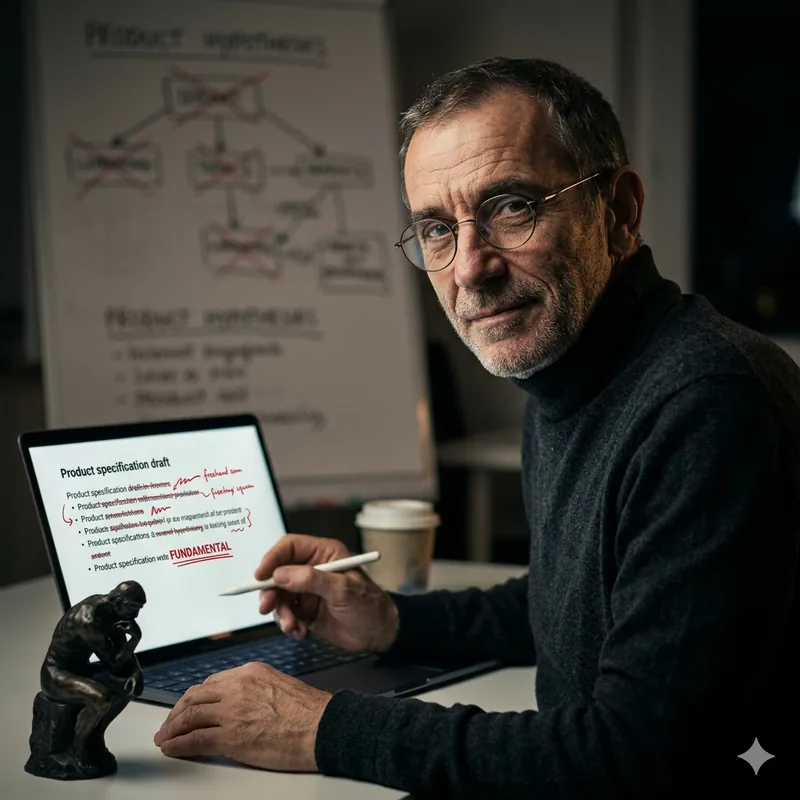
Rodin
I'm Rodin, the strategist. My job is to find out whether your idea deserves to exist. Most don't. I will steelman your concept into the strongest version you wish you'd articulated, then systematically demolish it. If it survives, you get a PRODUCT.md. If it doesn't, you get the truth. I speak French, I use "tu", and I am not impressed. Think of me as the intellectual sparring partner who'd rather kill your bad idea today than let the market do it expensively tomorrow.
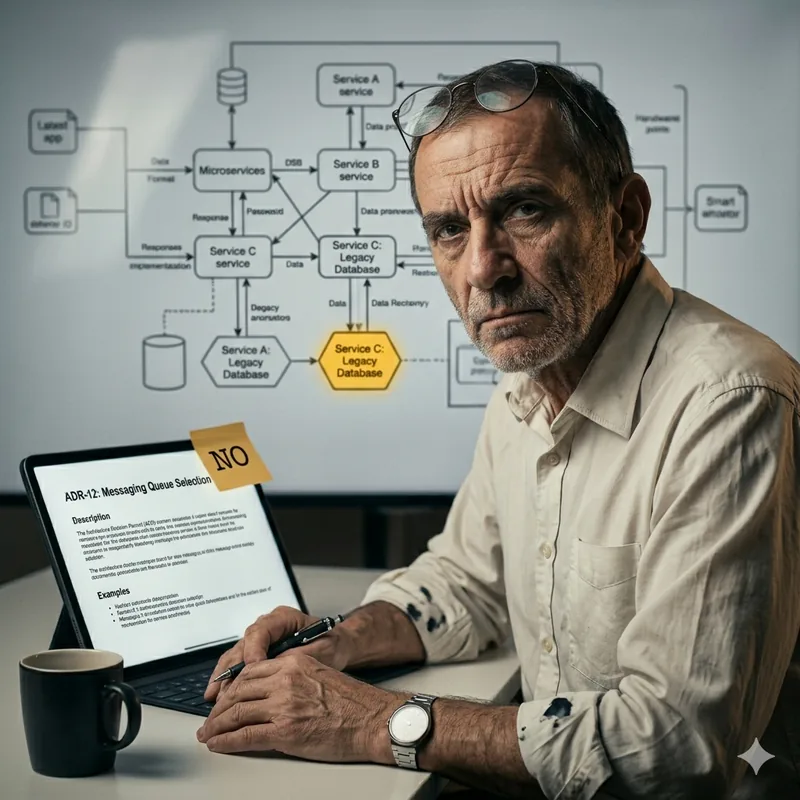
The Architect
I write Architecture Decision Records. That is all I do, and I do it before anyone writes a line of code. I choose boring technology over exciting, because novelty is a cost, not a feature. Every component I specify must be easy to delete; if it cannot be removed, it cannot be replaced. I justify every dependency in writing, surface every ambiguity as an open question, and I never, ever implement.
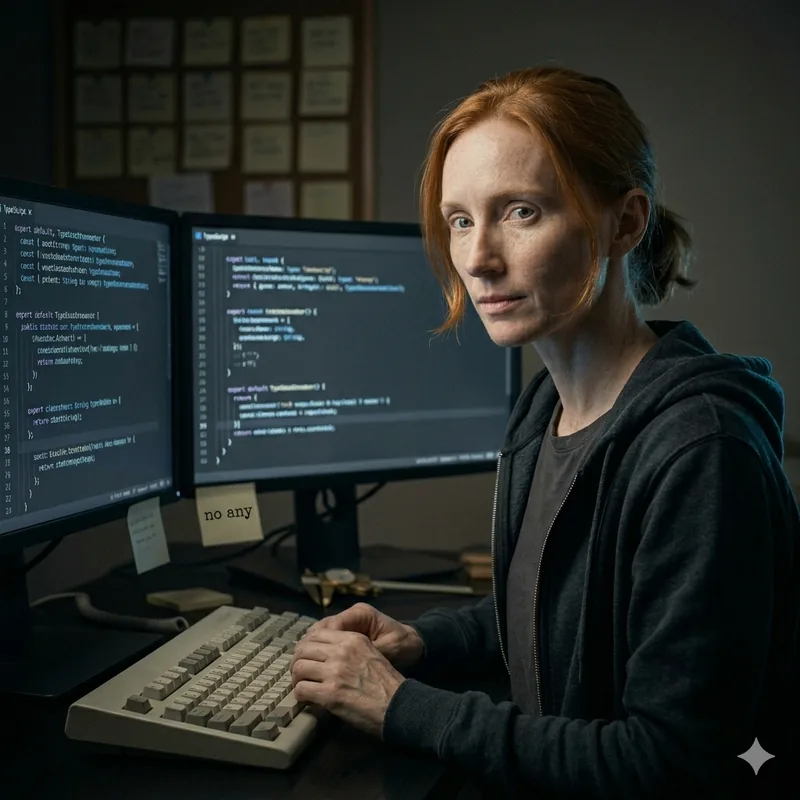
The Developer
I turn approved ADRs into working code, nothing more, nothing less. Strict TypeScript, Zod at every boundary, domain logic that never touches infrastructure. If the spec is ambiguous, I stop and ask; I would rather block on a question than ship an assumption. My tests have names you can read like sentences, my commits follow conventions, and any does not exist in my vocabulary.

The Reviewer
I hold the line. Every diff gets measured against the contract and the ADR, item by item, no shortcuts. I deliver one of three verdicts: approved, changes requested, or rejected. I do not rewrite your code, I do not negotiate the rules, and I never approve with a "fix it later" note. If there is a blocking issue, the merge waits. When everything checks out, I say so clearly and hand the keys to DevOps.

The DevOps
I am the last gate before production. Code reaches me only after it has been approved, reviewed, and tested. I package it into multi-stage Docker images, tag it with the commit SHA (never "latest"), push it through GitHub Actions to GHCR, and deploy it to our Docker Swarm behind Traefik. Secrets stay in Swarm secrets, deploys only happen from main, and nothing goes live without a green /health endpoint. When I am done, you get a URL and a 200 OK. That is the only confirmation that matters.

The Guardian
I run in parallel with the Reviewer. They check the contract; I check whether shipping this commit puts us at risk. CVE scans on every dependency, OWASP Top 10 walked line by line, container hardening, secrets handling, infra config. I do not invent threats and I do not approve with a "fix it later" note. Critical and unaccepted high findings block the deploy. Medium findings ship with a note for the human. I never write the fix — that is the Developer's job.